
Exploring cultural perspectives on gambling around the world
Understanding Gambling in Different Cultures
Gambling has long been a part of human history, manifesting in various forms across cultures. In many societies, it serves as both a form of entertainment and a social activity, providing a space for community bonding and shared experiences. For instance, in parts of Asia, traditional games such as Mahjong and Sic Bo are not merely about winning money; they are embedded in family gatherings and cultural festivities, enhancing social connections. For a thrilling online experience, websites like lanista.co.nz offer a modern twist on these traditional forms.

Conversely, in Western cultures, gambling often emphasizes individualism and personal gain. The rise of casinos and online gambling platforms reflects a shift towards more private gambling experiences. This cultural divergence raises important questions about how gambling is perceived and integrated into daily life, impacting everything from social norms to legal frameworks.
The Role of Religion in Gambling Perspectives
Religious beliefs significantly influence attitudes towards gambling. In many Islamic countries, gambling is considered haram, or forbidden, leading to strict laws against it. This stance shapes not only the legal landscape but also social attitudes, where gambling is often viewed with disdain or as a moral failing. In contrast, Christian-majority countries may have more relaxed views, although attitudes can vary significantly depending on the denomination.
Hinduism presents a complex view on gambling; while some texts advocate against it, festivals often include gambling games as a way to celebrate. This duality highlights how religious texts and cultural practices can coexist, influencing how gambling is perceived in different contexts.
Economic Impacts of Gambling Across Cultures
The economic implications of gambling are profound, with various cultures reaping different benefits. For instance, in Las Vegas, gambling is a cornerstone of the economy, generating jobs and tourism. This economic dependence encourages a culture of acceptance and promotion of gambling as a legitimate form of entertainment.
On the other hand, in countries where gambling is heavily regulated or illegal, such as some regions in the Middle East, the economic benefits remain untapped. This disparity raises questions about the balance between regulation and economic growth, as well as the potential for social repercussions when gambling is stigmatized or criminalized.
Modern Trends in Global Gambling Cultures
The advent of technology has revolutionized gambling, making it more accessible than ever. Online casinos and mobile apps have transformed the landscape, allowing people from various cultures to engage in gambling in ways that were previously unimaginable. This shift has led to an increase in participation, as individuals no longer need to visit physical locations to place bets.
Moreover, social media has played a significant role in shaping modern gambling culture. It fosters online communities where individuals share experiences and strategies, creating a sense of belonging that transcends geographical boundaries. However, this also raises concerns about addiction and mental health, prompting discussions on responsible gambling practices across cultures.
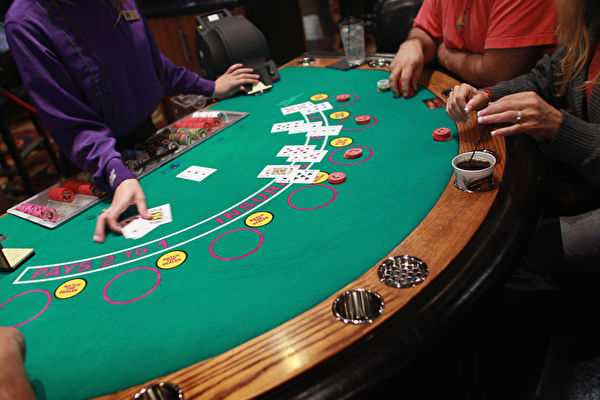
Discovering Gaming Experiences at Lanista Online Casino
At Lanista Online Casino, players can explore a diverse gaming experience that reflects global gambling traditions. With thousands of online slots and live table games, the platform caters to various cultural preferences, allowing users to engage with games from around the world.
Additionally, Lanista offers an extensive range of promotions and bonuses, enhancing the excitement of online gambling. By providing a secure and user-friendly environment, Lanista strives to ensure that players enjoy their gaming experience while embracing the rich cultural tapestry that gambling offers globally.