
Veřejné zdraví in the UK relies on the seamless functioning of its vaccination programmes. Consider the “vaccination line” as more than a queue, but as a intricate, well-rehearsed operation. It combines logistics, community spirit, and years of medical science. This article breaks down how these lines function. We’ll look at the digital booking tools, the range of locations, and the people who make it happen every day. Our aim is to illustrate how planning and technology converge, and to appreciate the public’s part in this common effort. Obtaining a detailed view of the system allows us trust it more when it’s our turn to step forward.
The Core of UK Public Health: Comprehending Mass Vaccination
For the UK, mass vaccination campaigns are a key public health strategy, refined over many years. The process starts with the Joint Committee on Vaccination and Immunisation (JCVI). This independent group examines the evidence and recommends on which vaccines to use and which groups should get them first. NHS England, NHS Scotland, Public Health Wales, and the Department of Health in Northern Ireland then convert this advice into action. Their four-nation coordination is essential. The physical scale is vast. It demands freezers and fridges for temperature-sensitive vials, distribution trucks traversing the country, and armies of trained staff. The COVID-19 pandemic revealed this system could move at pace, providing millions of doses in a short time. This existing framework means the UK can react quickly to new health threats, safeguarding the population.
Distribution Achievements: How the UK Manages Vaccine Rollouts
The serenity of a vaccination centre hides a huge logistical effort. In the UK, the NHS Supply Chain and the UK Health Security Agency (UKHSA) oversee a complex supply network. Vaccines that need sub-zero temperatures travel in specialist lorries to regional warehouses. From these hubs, they are sent out in exact numbers to match the appointments booked at each site that day. This precision assists avoid spoilage. The national booking system is the core of the operation. It distributes available slots across thousands of locations to stop any one site from becoming overwhelmed. To serve everyone, the NHS also deploys mobile vaccination teams. These units attend to remote villages and people who cannot leave their homes. This emphasis on access is fundamental. The smooth operation you see is built upon this hidden coordination between planners, drivers, IT teams, and frontline staff. It transforms a monumental task into a manageable routine.
The Essential Role of Public Cooperation and Communication
Logistics count for nothing if people don’t show up. Clear communication and public trust are therefore indispensable. Health bodies like the NHS and UKHSA aim to provide straightforward information. They explain how vaccines work and why they are safe, which aids counter false claims. For their part, the public assists by booking their appointments, arriving on time, and sharing accurate health details. People adhere to the guidance, like waiting after the jab and reporting any side effects. During busy periods, the public’s flexibility was key. Many journeyed further to bigger centres or accepted a different vaccine brand based on supply. This collective effort is a hallmark part of the UK’s model. Every person who takes part in the line is actively protecting their own health and the health of those around them.
Technology’s Role in Optimizing the Process
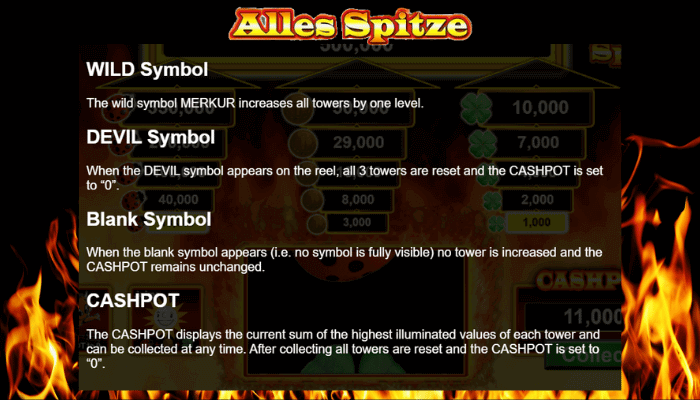
Technology works in the background to make today’s vaccination lines more efficient. For the public, Alles Spitze Real-Money Experience, the NHS App and online booking sites offer scheduling in your hands, reducing pressure on phone lines. At the vaccination station, clinicians employ digital records. They can review your history and log the new dose immediately, maintaining your file accurate. Behind the scenes, data dashboards offer managers a live view of progress. They can monitor how many doses have been given, which areas have lower uptake, and how much stock is left. This permits them to shift resources where they’re needed most. Digital tracking also tracks each vaccine vial from warehouse to arm, minimizing on waste. Future campaigns might employ artificial intelligence to predict demand more closely. This mix of tools creates a cycle. Data improves the service, and a better service generates more reliable data, aiding to refine each new health campaign.
Understanding the “Vaccination Line”: From Appointment to Arm
What awaits you in that vaccination line? Your process most likely begins with a message. You could get an NHS letter, a text, or a notification through the NHS App, prompting you to book a slot. You might pick a local GP surgery, a pharmacy, or a dedicated vaccination centre. When you show up, clear signage and volunteers lead you through an orderly queue. Your first point of contact is usually a registration desk. Here, staff confirm your identity and appointment in the national system. Next, a healthcare worker will hold a quick chat with you. They ensure you’re eligible for the vaccine and inquire about any health conditions. This is a vital safety check. Then you take the jab itself, a process that requires just moments. Afterwards, you are instructed to sit in a waiting area for around 15 minutes. Staff monitor for any immediate reactions. This whole sequence is designed for safety and speed. It transforms a clinical procedure into a straightforward, predictable event, which helps calm nerves and maintains flow.
Tackling Challenges: Equality, Access, and Reluctance
The setup is robust, but it faces ongoing tests. Guaranteeing everyone can join is a significant one. Some groups experience higher barriers, including people from ethnic minority backgrounds, those with disabilities, and individuals from deprived areas. The response involves targeted outreach. Health teams set up pop-up clinics in trusted community spaces, partner with local faith leaders, and sometimes provide transport. Vaccine hesitancy is another complex issue. It originates from historical mistrust, cultural factors, and misinformation. Tackling it requires patience and conversations guided by trusted local health advocates. Sustaining uptake high for routine childhood jabs is a different, constant task. By directly confronting these challenges, the health service strives to make the vaccination line a place of genuine inclusion, not just efficiency.
The Future of Vaccination Programmes within the UK
The UK’s vaccination system continues to evolve. What we learned from recent mass vaccinations are being baked into more agile, lasting frameworks. We can expect a greater focus on preventing illness before it starts. This could mean including new vaccines in the regular vaccination timetable for both kids and grown-ups. Technology will become even more woven into the process. Your NHS App may eventually store your full vaccination history and send you automated booster alerts. Scientists are also researching new ways to deliver vaccines, including skin patches and nasal sprays. These could transform the “jab” entirely. Concurrently, genomic surveillance of viruses will accelerate the development of new vaccines against new threats. The end aim is a system that doesn’t merely respond to outbreaks, but continually strives to create a healthier society over the long haul.