
Understanding the psychology of gambling Insights from Crazy Time
The Allure of Gambling: Why People Play
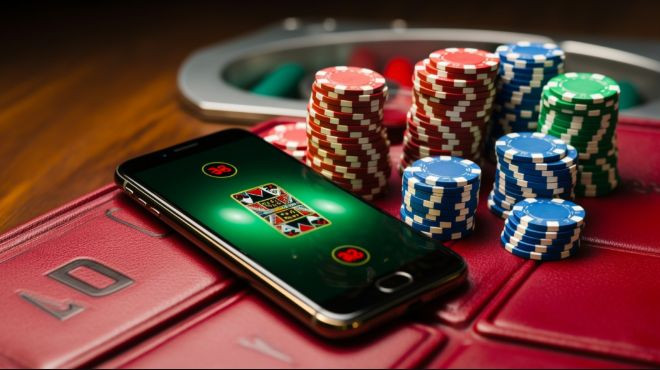
The thrill of gambling can be attributed to several psychological factors that attract individuals to games like Crazy Time. The excitement of unpredictability and the potential for large payouts create a compelling emotional experience. When players engage with these games, they often experience adrenaline rushes, which can enhance their mood and contribute to a sense of euphoria. This chemical reaction in the brain can make the experience addictive, as players seek to replicate the initial rush they felt during their first successful bet. Additionally, playing within platforms like crazy time offers unique attributes that heighten this thrill.
Additionally, the social aspect of games like Crazy Time enhances the gambling experience. Live interaction with hosts and other players fosters a sense of community, making the game more enjoyable. This social engagement not only heightens the overall entertainment factor but also introduces peer dynamics, where players might feel pressured to participate or continue playing based on others’ actions. This environment can amplify the desire to gamble as players seek social validation and approval.
Lastly, the concept of escapism plays a crucial role in why people gamble. Many individuals turn to gambling as a form of distraction from their daily lives, utilizing the game as a way to escape stress, anxiety, or boredom. In Crazy Time, the vibrant visuals and engaging gameplay provide an immersive experience that can effectively take players away from their everyday concerns, reinforcing their commitment to the game.
The Role of Randomness and Luck in Gambling
The nature of chance is central to the psychology of gambling, particularly in games like Crazy Time, where outcomes are unpredictable. This randomness creates a thrilling atmosphere that can be incredibly appealing to players. Cognitive biases, such as the illusion of control, often lead players to believe they can influence outcomes through strategy or skill. This belief can enhance their enjoyment and keep them returning for more, even when the reality is that most outcomes are purely luck-based.
The psychological impact of winning, however small, can also reinforce gambling behavior. In Crazy Time, even minor wins can trigger a positive feedback loop, encouraging players to continue betting in hopes of achieving bigger payouts. This sporadic reinforcement can create a compulsion, as players learn to associate the game with moments of joy and excitement, despite the inherent risks involved in gambling.
The unpredictability of gambling can also lead to cognitive distortions, where players convince themselves that they are “due” for a win or that they can discern patterns in random sequences. This perception can lead to a cycle of chasing losses, where players continue to gamble in hopes of recouping their losses. In a game with as many dynamic features as Crazy Time, these patterns of thought can become even more pronounced, compounding the psychological effects of gambling.
The Impact of Game Design on Player Behavior
The design and mechanics of gambling games significantly influence player behavior and engagement. Crazy Time, with its colorful aesthetics and interactive elements, is engineered to capture attention and retain player interest. The use of bright visuals and lively sounds creates a sensory-rich environment that enhances the overall experience, making it difficult for players to step away. This design strategy taps into the emotional and psychological aspects of gambling, ensuring that players remain engaged for longer periods.
Moreover, the inclusion of bonus rounds and multipliers in Crazy Time not only offers opportunities for bigger wins but also plays into players’ cognitive biases. By introducing elements that reward players intermittently, game designers can foster a sense of excitement and anticipation. This strategy leverages the psychological principle of variable reinforcement, where the unpredictability of rewards can lead to increased engagement and potential addiction. Players are continually motivated to play in hopes of hitting those lucrative bonuses.
The social features incorporated into Crazy Time also enhance the gaming experience. The presence of live hosts and the ability to interact with other players can amplify feelings of excitement and competition. This aspect taps into the human desire for social connection, making the act of gambling not just about the game itself, but also about community engagement. As players cheer each other on or celebrate wins together, the psychological satisfaction derived from social interaction becomes an additional motivator for continued play.
The Psychological Risks of Gambling
Despite the allure of gambling and its potential for entertainment, it is essential to acknowledge the psychological risks involved. Games like Crazy Time can foster compulsive behaviors and lead to gambling addiction for some individuals. The high-energy environment and the thrill of potential winnings can create a dangerous cycle, where the pursuit of excitement overshadows the reality of financial risk. The immersive nature of the game can blur the lines between fun and addiction, making it crucial for players to remain aware of their limits.
Additionally, the emotional rollercoaster associated with gambling can lead to various mental health issues, including anxiety and depression. Players may experience feelings of guilt or shame when losses accumulate, and the pressure to chase losses can exacerbate these emotions. This cycle can be particularly insidious in online gaming environments like Crazy Time, where players may isolate themselves, leading to a lack of support or accountability.
Recognizing the signs of problematic gambling behavior is vital for players to protect their mental well-being. Encouraging self-awareness and promoting responsible gaming practices can help mitigate the risks. Players should be encouraged to set strict limits on their gambling activities, take regular breaks, and seek help if they notice any signs of distress or compulsive behavior. Creating a balance between entertainment and caution is essential for ensuring a healthy relationship with gambling.

Exploring Crazy Time: A Unique Gaming Experience
Crazy Time offers a unique blend of entertainment, excitement, and social interaction, making it a compelling choice for both new and experienced players. With live hosts, vibrant visuals, and an engaging gameplay structure, it transforms traditional casino gaming into an exciting, immersive experience. Players can enjoy the thrill of spinning the wheel while interacting with others, enhancing the fun factor significantly. This unique format plays into the psychology of gambling by creating a multifaceted experience that appeals to various player motivations.
The platform provides detailed guides, bonuses, and various payment options, catering specifically to a diverse audience. This accessibility encourages participation and fosters a sense of inclusivity among players. By making the game easy to access and play, Crazy Time appeals to those who may be hesitant to engage in more traditional gambling formats. This user-friendly approach can boost confidence and encourage more players to explore the dynamic features of the game.
Ultimately, Crazy Time embodies the intricate relationship between entertainment and gambling psychology. By understanding these dynamics, players can better navigate their gaming experiences. The vibrant environment, combined with psychological insights into gambling behavior, creates a compelling platform for enjoyment, but it also emphasizes the importance of responsible gaming practices to ensure that players maintain a healthy balance between thrill and caution.