
Your All-in-One B2B Platform Built for Small Business Growth
Unlock new growth opportunities with a B2B platform designed specifically for small businesses. Connect instantly with verified suppliers and buyers, streamline your wholesale purchasing, and compete on a larger scale without the complexity. It’s your fast track to smarter sourcing and bigger deals.
Why Small Enterprises Need Dedicated Wholesale Marketplaces
Small enterprises often struggle to source inventory at competitive prices due to limited purchasing power and fragmented supply chains. Dedicated wholesale marketplaces address this by aggregating demand from multiple small buyers, enabling bulk pricing without massive order minimums. These platforms streamline procurement, reducing time spent vetting unreliable suppliers. By centralizing product catalogs and direct sourcing options, they allow small businesses to bypass multi-tier distribution, lowering per-unit costs. This direct access to manufacturers or authorized distributors improves profit margins. Additionally, standardized logistics and payment protections mitigate risks like counterfeit goods or late deliveries. For small enterprises operating with tight budgets, such marketplaces provide the cost-effective supply chains needed to compete against larger retailers, transforming scalability from a theoretical goal into a practical reality.
The Gap Between Small Sellers and Traditional Supply Chains
Small enterprises require dedicated wholesale marketplaces to access bulk inventory at competitive prices, bypassing retail markups that erode slim profit margins. These platforms offer streamlined B2B procurement, enabling small businesses to compare suppliers, verify minimum order quantities, and negotiate volume discounts without the logistical hurdles of direct manufacturer contracts. Centralized wholesale ecosystems also provide transparent pricing, tiered shipping options, and standardized return policies, reducing the trial-and-error costs of fragmented sourcing. Additionally, they aggregate niche products—like sustainable packaging or specialty ingredients—that local wholesalers rarely stock, allowing small retailers to differentiate their offerings. By replacing scattered supplier research with a single, searchable catalog, these marketplaces save owners time that can instead be invested in customer service or marketing. Ultimately, dedicated wholesale platforms level the playing field, giving small enterprises the same supply-chain advantages as larger competitors.
How Tailored Procurement Tools Level the Playing Field
Small enterprises face unique procurement challenges that general retail platforms cannot solve. A dedicated wholesale marketplace provides the bulk pricing, bulk ordering, and supply chain efficiency that small businesses require to maintain healthy margins. Unlike consumer marketplaces, these platforms offer tiered pricing structures, volume discounts, and verified supplier networks that reduce risk. For example, a small bakery can source flour in 50-pound bags at wholesale rates, directly comparing multiple suppliers by cost per unit and delivery time. This eliminates retail markups and ensures consistent inventory flow.
- Cost reduction through negotiated bulk rates without minimum order barriers.
- Time savings via consolidated supplier dashboards and automated reorder triggers.
- Growth scalability by accessing tiered pricing as order volumes increase.
Core Features That Drive Real Value for Growing Firms
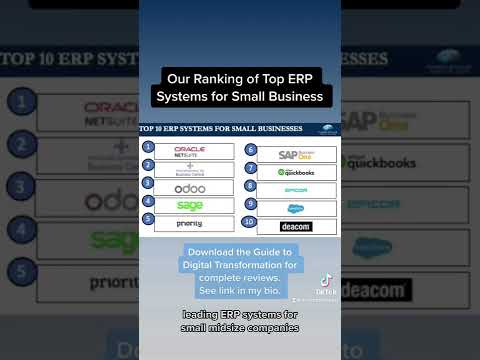
For growing firms, core features driving real value center on operational efficiency and data-driven decision-making. Scalable cloud infrastructure eliminates costly hardware investments, while integrated Customer Relationship Management (CRM) systems centralize lead tracking and sales automation. Automated workflow tools reduce manual errors and free up staff for strategic tasks, directly impacting profit margins. Advanced analytics dashboards provide real-time performance metrics, allowing leaders to pivot quickly on resource allocation. Additionally, robust cybersecurity protocols protect sensitive client data, building trust and ensuring regulatory compliance. Modular software design enables firms to add essential functions—like invoicing or inventory management—as they grow, preventing disruptive system overhauls. Ultimately, these features reduce friction, accelerate cash flow, and create a transparent operational foundation for sustainable scaling.
Automated Bulk Ordering and Recurring Supply Management
For growing firms, the core features that drive real value center on scalable automation and integrated data systems. These tools eliminate manual bottlenecks, allowing teams to focus on strategic growth rather than administrative tasks. Key elements include:
- Cloud-based platforms https://stafir.com/ that adapt to increased workload without downtime
- Unified dashboards providing real-time visibility into financial health and customer behavior
- Modular add-ons that let firms pay only for what they need as they expand
The difference between treading water and accelerating growth is often the ability to make faster, data-backed decisions.
Prioritize flexibility over feature bloat. Every tool should reduce friction, not add complexity. When systems support rapid pivots and cross-departmental collaboration, they become catalysts for sustained success, not just operational bandaids.
Integrated Payment Gateways With Flexible Terms
For growing firms, core features that drive real value focus on scalability and operational efficiency. Integrated workflow automation eliminates manual bottlenecks, allowing teams to handle increased volume without proportional cost increases. Key capabilities include real-time data dashboards for performance tracking, collaborative platforms for cross-departmental alignment, and modular tools that adapt to changing business models. Cloud-based infrastructure ensures secure access and reduces IT overhead, while built-in analytics transform raw data into actionable insights for strategic decisions. Customizable reporting and API integrations further future-proof the technology stack. Prioritizing these areas helps firms avoid software sprawl and maintain momentum during expansion phases.
Custom Catalog Controls for Diverse Product Lines
Growing firms derive real value from scalable systems that automate repetitive tasks, freeing resources for strategic growth. Automated workflow tools are central to this, ensuring consistent operations without proportional headcount increases. Key features typically include:
- Integrated reporting dashboards that merge sales, finance, and project data for real-time visibility into cash flow and margins.
- Collaboration hubs with version control and task assignment, reducing email clutter and improving cross-team accountability.
- API-first architecture that allows seamless connection to existing accounting, CRM, and payroll software, preventing data silos.
These capabilities directly reduce administrative overhead and decision-making lag, turning raw data into actionable insights for lean leadership teams.
Navigating Supplier Selection on a Wholesale Network
Navigating supplier selection on a wholesale network demands a rigorous, data-driven approach. First, scrutinize a supplier’s verified business credentials, including licensing and trade references, to ensure legitimacy. Analyze their product listings for detailed specifications and high-resolution images, comparing unit prices against market averages. Prioritize vendors with transparent return policies and clear communication channels. Leverage network tools like order history reviews and buyer ratings to gauge reliability, and always request product samples before committing to bulk orders. Building relationships with multiple vetted suppliers mitigates risk and secures long-term supply chain stability. This disciplined process protects your margins and brand reputation.

Verification Badges and Trust Signals for Buyer Confidence
Navigating supplier selection on a wholesale network means sifting through countless profiles to find a partner who actually delivers. Start by checking their sales history and buyer reviews—these reveal real reliability. Vetting supplier credibility is your first line of defense. You’ll want to compare minimum order quantities, shipping costs, and response times side-by-side.

- Verify certifications: Look for industry-specific badges or trade assurances.
- Request samples: Always test product quality before a bulk commitment.
- Check communication: A fast, clear reply often signals a professional operation.
Q: How do I spot a red flag early?
A: Watch for unrealistically low prices, vague product descriptions, or a seller who dodges sample requests. Trust your gut—if it feels off, move on.
Comparing Vendor Ratings Without Overwhelming Options
Navigating supplier selection on a wholesale network demands a sharp focus on supplier due diligence. Evaluate credibility by scrutinizing reviews, verifying business licenses, and requesting product samples before committing to bulk orders. Prioritize suppliers with clear communication, competitive pricing, and reliable shipping terms to minimize risk.
Your profit margin hinges on selecting partners who prioritize quality and consistency, not just low prices.
To streamline your decision, follow these checks:
- Assess order minimums and lead times.
- Compare payment protections and return policies.
- Confirm product certifications and compliance.

Trust your instincts but verify every claim—a thorough vetting process secures long-term supply chain stability and growth.
Requesting Samples and Negotiating Minimum Quantities
Navigating supplier selection on a wholesale network demands a strategic, data-driven approach to secure reliable partners. Vet supplier credibility through verified reviews and trade references to mitigate risk. You must analyze minimum order quantities (MOQs), shipping terms, and payment structures before committing. Compare multiple suppliers side-by-side to optimize for cost, quality, and lead times:
- Check product certifications and compliance standards.
- Request samples to assess material quality firsthand.
- Evaluate customer support responsiveness and return policies.
Leverage network filters to isolate top-tier vendors. A disciplined selection process directly boosts your profit margins and supply chain stability, turning a crowded marketplace into a clear competitive advantage.
Streamlining Inventory and Order Fulfillment
Streamlining your inventory and order fulfillment isn’t just about speed; it’s about building a smarter, more responsive workflow that saves time and money. By integrating real-time tracking with automated reorder points, you can prevent costly stockouts while avoiding dead stock that ties up cash. When customers click “buy,” a consolidated system should instantly update stock levels, generate packing slips, and route orders to the closest warehouse. This reduces shipping delays and human error, making every transaction smoother. Ultimately, a streamlined approach boosts your **inventory accuracy** and supports **scalable growth**, allowing you to focus on delighting customers rather than firefighting logistics.
Q&A: How do I start streamlining without overhauling my entire tech stack? Start by auditing your top-selling items and automating their reorder triggers. Even simple barcode scanning and a cloud-based spreadsheet can cut pickup errors by half, buying you time to upgrade software later.
Real-Time Stock Visibility Across Multiple Suppliers
Streamlining inventory and order fulfillment is non-negotiable for scaling operations in a competitive market. By integrating real-time stock tracking with automated picking workflows, businesses eliminate costly delays and human error. Optimizing warehouse layout for faster pick paths directly reduces cycle times and boosts throughput. A phased approach delivers immediate results:
- Implement barcode or RFID scanning to ensure 99.9% accuracy in stock counts.
- Adopt a tiered shelving system that places high-turnover items at waist level for rapid access.
- Merge order management software with shipping carriers to batch-label parcels and cut dispatch windows from hours to minutes.
These tactics convert a chaotic backroom into a precision engine, slashing carrying costs while enabling next-day guarantees. The outcome: a lean, responsive supply chain that turns inventory into immediate revenue.
Connecting With Third-Party Logistics for Faster Shipping
Streamlining inventory and order fulfillment focuses on reducing delays and errors through integrated systems. Automated inventory management enables real-time tracking of stock levels, preventing overselling and stockouts. Key improvements include implementing barcode scanning for accuracy, using predictive analytics for demand forecasting, and optimizing warehouse layouts to minimize pick times. This approach directly lowers operational costs and accelerates delivery cycles. A centralized order management system then synchronizes data across sales channels, ensuring every transaction is captured. Effective coordination between inventory data and shipping carriers further eliminates bottlenecks, allowing businesses to maintain high service levels without overstocking.
Handling Returns and Disputes Through Centralized Dashboards
Imagine a warehouse where every item knows its location and every order flows without a hitch. Streamlining inventory and order fulfillment transforms chaotic stockrooms into precision machines, slashing delays and boosting customer loyalty. A robust inventory management system acts as the central brain, automatically syncing stock levels across sales channels to prevent overselling. To achieve this efficiency, focus on:
• Implementing real-time tracking to monitor stock from receipt to dispatch.
• Organizing your layout by velocity—placing top sellers near packing stations.
• Integrating automated picking tools that cut human error and speed throughput. The result? Faster shipping, lower carrying costs, and a seamless experience that leaves competitors scrambling. This isn’t just tidying up; it’s building a scalable backbone for explosive growth.
Financial Advantages of Pooled Purchasing Power
Pooled purchasing power turns small wallets into a giant’s spending muscle. By joining forces with other buyers—whether through a co-op, buying group, or shared subscription—you unlock significant cost savings that are impossible to achieve alone. Suppliers offer steep discounts for bulk orders, shipping costs shrink per unit, and administrative fees are split among the group.
The price per item often drops by 20% to 50% compared to buying individually.
This collective approach also allows access to premium products and services that would otherwise be unaffordable. Over time, these savings compound, freeing up cash for other needs. It’s a simple, low-effort strategy that delivers measurable financial efficiency for households and businesses alike.
Volume Discounts Without Requiring Huge Pre-Orders
When small businesses band together to buy supplies, they unlock a secret weapon: collective bargaining power for lower supply costs. A bakery owner named Maria once struggled with soaring flour prices. Joining a local purchasing group changed everything. By pooling orders with other bakers, she gained access to wholesale rates once reserved for corporate giants. Her savings broke down like this: flour costs dropped by 20%, packaging by 15%, and delivery fees were halved. This freed up cash for a new oven. Without the group, Maria’s margins would have crumbled. Instead, her tiny shop outlasted competitors by turning shared demand into real financial leverage.
Reducing Payment Processing Fees With Group Rates
Pooled purchasing power creates a direct financial advantage by enabling groups to access wholesale pricing, dramatically reducing per-unit costs. Volume discounts from aggregating demand mean individual members pay significantly less than retail, with savings ranging from 15% to 40% on common supplies. Leverage in supplier negotiations also secures preferential payment terms, eliminating middleman markups and reducing inventory carrying costs. For businesses, this translates to improved cash flow and higher profit margins without sacrificing quality. While bulk buying requires upfront coordination, the long-term savings on essentials—from office materials to specialized equipment—consistently outperform solo procurement strategies. Consolidated purchasing effectively turns smaller entities into a competitive market force.
Accessing Short-Term Trade Credit to Manage Cash Flow
When small coffee shops banded together to buy their beans, they discovered the raw power of negotiation. By pooling their purchasing power, each owner suddenly commanded the same wholesale rates as a national chain, slashing their supply costs by up to 30%. Bulk buying discounts fuel collective savings. This cooperation meant they could afford premium, single-origin roasts that had once been out of reach. The savings didn’t stop there: shared logistics cut shipping fees in half, and joint contracts with packaging suppliers eliminated middleman markups. What started as a desperate move to survive a price hike turned into a permanent advantage—turning independent rivals into a co-op that could dictate terms, not just accept them.
Building Long-Term Supplier Relationships Digitally
Building long-term supplier relationships digitally isn’t just about swapping emails; it’s about fostering genuine partnerships through consistent, two-way communication. By leveraging collaborative platforms and shared dashboards, you create total transparency on inventory, forecasts, and real-time challenges, which builds deep trust. To truly succeed, focus on supplier relationship management tools that automate routine updates but leave room for video calls and quick chats. This digital-first approach allows you to celebrate wins together, address hiccups instantly, and show appreciation through small, instant perks. The payoff is a resilient supply chain where your partners prioritize you because they feel seen and valued—not just as a transaction, but as a true collaborator navigating the market side-by-side.
Direct Messaging Tools and Negotiation Chat Features
When Maria’s small coffee roastery first adopted a digital supply platform, she expected efficiency but found connection. Through shared dashboards and real-time inventory alerts, her team and the bean supplier moved from email chains to a collaborative rhythm. Digital supplier relationship management now lets them forecast harvests together, adjusting orders before shortages hit. The result is trust built not on handshakes alone, but on transparent data—each shipment logged, every quality score visible. One morning, a notification warned of a storm near the farm; Maria rerouted shipments before the weather arrived, a rescue made possible by their digital bond. This blend of technology and care turns vendors into partners, resilient against disruptions.
Sharing Sales Data to Improve Product Availability
Building long-term supplier relationships digitally is all about turning transactions into trust. Instead of relying solely on emails, leverage a shared portal where you can track orders, share forecasts, and flag issues in real time. This transparency builds supply chain resilience because you’re not just buying materials—you’re co-managing risk. Quick video check-ins replace lengthy meetings, and automated payment systems ensure suppliers get paid fast, which fosters goodwill. The key is consistency: use the same platform to celebrate wins together and solve problems without blame. When your digital tools make collaboration effortless, you move from being a customer to a true partner.
Collaborative Forecasting for Seasonal Demand Spikes
Building long-term supplier relationships digitally relies on consistent, transparent communication through dedicated portals and automated workflows. By integrating shared platforms for order tracking, inventory management, and quality data, companies move beyond transactional exchanges toward strategic partnerships. Digital supply chain collaboration reduces friction through real-time visibility into performance metrics and compliance standards. A key enabler is the use of cloud-based contracts and e-signatures, which streamline negotiations and ensure alignment on terms. This technological foundation supports joint problem-solving and innovation, as both parties access the same data for forecasting and risk mitigation.
Trust in a digital relationship is built on data accuracy, not just personal rapport.
To maintain these connections, companies should prioritize regular video check-ins and automated feedback loops. Tools like shared dashboards for delivery performance and defect rates allow for proactive adjustments, shifting focus from corrective actions to continuous improvement. This approach reduces administrative overhead while fostering loyalty through fairness and reliability in every digital interaction.
Common Pitfalls When Adopting a Wholesale Portal
One common pitfall is failing to ensure seamless wholesale portal integration with existing ERP or inventory systems. Inconsistencies in real-time data can lead to overselling and damaged B2B relationships. Another critical oversight is neglecting user-specific pricing and permission structures, which can cause confusion among resellers. Experts also warn against launching complex portals without adequate training for both your team and wholesale clients. Furthermore, ignoring mobile optimization undercuts accessibility, as many buyers prefer ordering on tablets or phones. Finally, avoid treating the portal as a one-time setup; continuous monitoring of order workflows and feedback loops is essential to avoid operational friction. Prioritizing these areas prevents revenue loss and builds long-term trust with your wholesale channel.
Overlooking Integration Costs With Existing Accounting Software
One major pitfall when onboarding a wholesale portal is treating it like a retail checkout instead of a B2B hub. Wholesale portal integration often fails because businesses skip essential user testing, leading to clunky navigation that frustrates bulk buyers. Common mistakes include:
- Complex pricing structures: Not setting up tiered discounts or minimum order quantities clearly.
- Poor data syncing: Inventory or pricing not matching your main ERP, causing order errors.
- Ignoring buyer workflows: Forcing retailers to hunt for past invoices or order histories manually.
Another frequent error is underestimating the need for dedicated customer support. Wholesale clients expect quick responses on bulk pricing errors or shipping exceptions—delays here can tank trust fast.

Underestimating the Learning Curve for Sourcing Teams
Adopting a wholesale portal can backfire when businesses rush integration without cleaning existing data, leading to duplicate SKUs and order errors. Another major pitfall is neglecting user training, leaving staff overwhelmed by clunky dashboards instead of streamlining workflows. Many also underestimate the need for real-time inventory sync, causing overselling and wholesale inventory management chaos. Lastly, ignoring mobile accessibility frustrates buyers on the go, while failing to set clear pricing tiers erodes trust.
Ignoring Regional Compliance and Tax Variations
One major pitfall when adopting a wholesale portal is failing to integrate it with your existing ERP or inventory system. This creates manual data entry errors, leading to overselling or stock discrepancies. Inconsistently trained staff often bypass the portal, using emails or phone calls for orders, which defeats its purpose. Complex pricing and tiered discounting, if not correctly programmed, confuse B2B buyers and erode trust. Additionally, neglecting mobile usability can alienate buyers who rely on tablets or smartphones. A robust test phase with real order scenarios is essential before full rollout. Without clear onboarding guides, clients revert to old habits, and without standardized upload templates, product data becomes chaotic.
Measuring Success With the Right Metrics
Success is not an abstract concept; it is a quantifiable destination reached only through the right metrics. Vanity numbers like total clicks or page views can deceive, offering a false sense of progress. True achievement demands a shift from volume to value, focusing on conversion rates, customer lifetime value, and net promoter scores. These core indicators reveal genuine engagement and sustainable growth. By rigorously tracking what actually drives your business objectives, you eliminate guesswork and empower every decision with concrete proof. Choosing the correct data points transforms your strategy from hopeful speculation into a precise, executable roadmap. When you measure with intention, you stop chasing shadows and start building undeniable success. Make your metrics matter by aligning them directly with your ultimate goals.
Tracking Cost Per Unit Across Different Channels
Measuring success hinges on identifying actionable key performance indicators that directly reflect strategic goals, not vanity numbers. Track only metrics that drive decision-making and reveal true growth. For example, prioritize conversion rates and customer lifetime value over mere page views. A focused dashboard should include:
- Revenue per user (monetization health)
- Customer acquisition cost (efficiency)
- Net promoter score (loyalty signal)
Discard data that doesn’t inform. By ruthlessly aligning metrics with objectives, you eliminate noise and gain clarity. This precision transforms raw numbers into a reliable compass for scaling impact and optimizing resources.
Monitoring Supplier Response Times and Reliability Scores
Selecting the right metrics is essential for accurately evaluating performance and guiding strategic decisions. Vanity metrics, such as total page views or social media likes, often fail to reflect true business value. Instead, focus on actionable data tied directly to your goals. Tracking meaningful KPIs ensures data-driven growth by highlighting areas for improvement and validating successful initiatives.
- Conversion rate: Measures the percentage of users completing a desired action.
- Customer acquisition cost (CAC): Total cost to acquire a new customer.
- Customer lifetime value (CLV): Predicted net profit from a customer relationship.
Aligning metrics with specific objectives prevents misdirection and wasted resources. Regularly reviewing these indicators allows for timely adjustments, ensuring that success is measured by outcomes that directly impact sustainability and progress.
Evaluating Customer Satisfaction From Resold Goods
Measuring success hinges on selecting **key performance indicators** that directly align with strategic goals. Avoid vanity metrics that look impressive but offer no actionable insight. Instead, focus on conversion rates, customer lifetime value, and churn figures. A clear framework ensures you track what truly drives growth.
- Define goals first: Only then choose metrics that measure progress toward them.
- Segment data: Compare results across channels, campaigns, or customer groups.
- Review regularly: Metrics should guide decisions, not just fill reports.
The most dangerous metric is the one you measure without understanding its relationship to your core objective.
Future Trends Shaping Independent Retail Sourcing
The horizon of independent retail sourcing is being radically redefined by hyper-personalization and data-driven agility. AI-powered demand forecasting will soon allow boutique owners to predict micro-trends with pinpoint accuracy, replacing reactive purchasing with proactive curation. Simultaneously, a shift towards localized, regenerative supply chains is gaining momentum, reducing dependency on volatile global logistics and aligning with consumer values on sustainability. Sourcing platforms that integrate blockchain for radical transparency will become the new baseline for consumer trust. Consequently, independent retailers who adopt these tools will not just compete with giants; they will outmaneuver them through exceptional relevance and a compelling ethical narrative. Decentralized manufacturing networks further empower stores to offer exclusive, on-demand creations, cementing their role as curated community hubs rather than mere commodity dispensaries.
AI-Powered Product Recommendations Based on Past Orders
The quiet hum of a vintage espresso machine filled the air as Mara, a third-generation café owner, tapped her tablet. Her supplier for rare Ethiopian beans had vanished overnight, yet her shop was stocked. The future of independent retail sourcing had already arrived, driven by predictive inventory analytics. No longer reliant on fickle catalogs, Mara’s AI flagged her favorite roaster’s closure weeks before it happened, scanning alternative sources and negotiating bulk discounts in real-time. She now sources ethically from a blockchain-verified cooperative in Guatemala, all while her customers sip single-origin lattes. The old chase for a handshake deal is fading; today, the story is told in data, transparency, and a robust digital supply chain that turns disruption into opportunity.
Q&A:
Q: How will blockchain affect trust in sourcing?
A: It creates an immutable ledger of a product’s journey—from farm to shelf—allowing retailers to instantly verify ethical claims and origins, cutting fraud.
Blockchain for Transparent Supply Chain Provenance
Whispers of change are echoing through the stockrooms of independent retailers, where the future of sourcing is being rewritten by two powerful forces: hyper-localism and data-driven agility. The savvy shop owner no longer merely orders from a distant catalog; they now cultivate relationships with neighborhood artisans and micro-manufacturers, tapping into a supply chain that feels both personal and deeply rooted. This shift is powered by predictive analytics, which reveals buying patterns before the customer even walks in. Data-driven sourcing is the new compass, allowing retailers to anticipate demand rather than react to it.
“The most resilient supply chains are built on trust, not just transactions.”
Meanwhile, technology is reshaping the hunt for unique inventory, blending digital discovery with tangible connection:
- Virtual marketplaces now offer 3D previews of goods from global makers.
- Blockchain tracking verifies ethical production from raw material to shelf.
These tools free the retailer to focus on storytelling, turning each sourced item into a narrative of craft and care, not just a commodity.
Mobile-First Interfaces Designed for On-the-Go Owners
Independent retailers are rapidly adopting AI-driven predictive sourcing to stay competitive. Advanced algorithms now analyze real-time consumer data, social listening, and local purchasing patterns to forecast demand with unprecedented accuracy. This shifts independent sourcing from reactive buying to proactive, hyper-local inventory selection. Key developments include:
- Direct-to-consumer platforms bypassing traditional wholesalers for artisan and niche goods.
- Blockchain-enabled supply chains providing verifiable proof of ethical origin.
- Automated drop-ship integrations reducing warehousing needs and financial risk.
Q: Will this eliminate human intuition in buying?
A: No—technology amplifies a buyer’s gut instinct by stripping away guesswork, allowing them to focus on curation and community relationships.